It’s great to be handy around the house, isn’t it? If you’ve got the right tools, a little know-how, and dedication, you can take care of small troubles in your house without the need to call for a professional service.
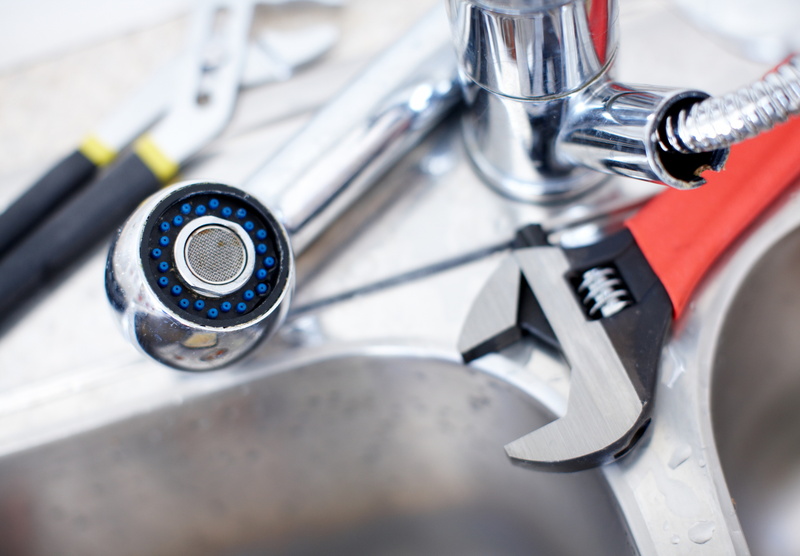
Does this apply to plumbing? We won’t lie to you and say there aren’t plumbing tasks you can do as DIY projects. It’s easy to replace the aerators on faucets for example, some of which you don’t even need a wrench to remove. But when it comes to most plumbing jobs, a belt of tools and an online tutorial won’t cut it. You need licensed plumbers in Wilmette, IL to take care of the job. We’ll explain why.
 Few appliances in a home use up as much power as the water heater. Heating and air conditioning systems account for significant power consumption, but these are seasonal appliances. A water heater will run almost every day, and whether it’s an electric or gas-powered unit, it’s probably the biggest source of energy consumption in your house.
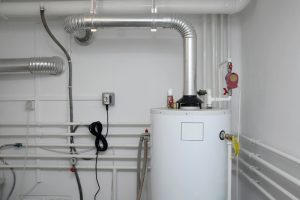 The water heater in your house can account for around 17% of the energy used in your home each year. That makes it the appliance that consumes the most power of any single indoor appliance in the household. Unlike a gas-powered furnace, you rely on your water heater almost every day, so it’s especially important to have it well taken care of. Without regular maintenance, a water heater can quickly become a huge energy drain and will wear down far faster.
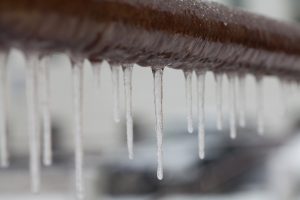 When you live in a place with icy winters, you’ll face the same concern every year with your plumbing: the fear of frozen pipes. Handling frozen pipes is an important job for anyone who does
  The #1 thing you should know about drain cleaning solutions is that if using them is your method to clean your drains on a regular basis, then you’re actually doing more harm than good to your plumbing system.
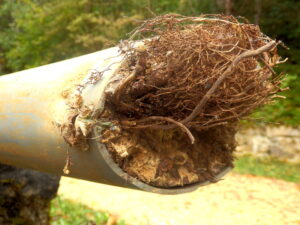 If there is any part of your plumbing system that’s most important, it may very well be the sewer line—the pipe that removes wastewater from your property and moves it into the civic sewer system cleanly away from your home. Sewer lines are usually buried underground, in your back or front yard, safe from damage that can come from inclement weather and other types of wear and tear.
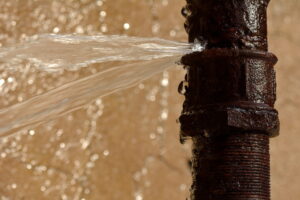 We’ve all seen those movies or TV shows when a character walks into their home on a rainy day to discover water pouring from a spot on their ceiling. There are usually buckets involved and as dramatic as it is, it’s also usually resolved pretty quickly.
 There’s something you should know about this time of year, especially if you have a water heater. No, we’re not about to warn you against frozen pipes—though that is a very real threat it’s unlikely to affect your water heater! But the cold winter air can have a negative impact on your water heater, especially if it’s aging. The chilliness causes the metal of your water heater tank to expand and contract, threatening the structure of the system.