 They’re bad news—that’s what!
Okay, clearly we need to elaborate on that a bit more. After all, you may not even know what a slab leak is.
“Slab leak” is a phrase used to describe any leak that occurs in the cold or hot water lines that are set beneath the concrete foundation of your home—the slab. Not only will this type of leak cause significant water waste, but property damage as well. It leads to mildew and mold growth, drywall rot, and more. Plus, a hot water line leak can put extra strain on your tank water heater too, which has to run longer to keep a steady supply of hot water available.
So, what causes these slab leaks? Shouldn’t a pipe beneath your slab be sturdy enough to handle anything? These pipes may certainly seem sturdy, but there are absolutely factors that can lead to leaks. Read on as we uncover a few.
Continue Reading
Tags: Glenview, Plumber
Posted in Plumbing | Comments Off on What’s the Deal with Slab Leaks?
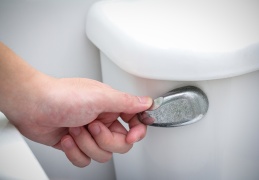 No, we promise this isn’t the start of a bad joke. A running toilet may not be too serious of a problem, but it actually wastes a lot of water and wears down your toilet plumbing system. This ends up being costly for you, when it is actually quite a simple problem for our plumbers to fix for you.
 How are you spending this holiday season? We know, it’s going to look a lot different this year. But hopefully, you’re able to enjoy festivities with your immediate family or even a small group of friends who are part of your “quaranbubble.”
 It’s the middle of the night. You’re peacefully sleeping when it happens. You’re awoken by a persistent knocking sound that isn’t coming from your front door—it’s coming from inside your walls!
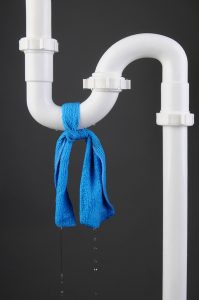 One of the most common reasons we get called for professional
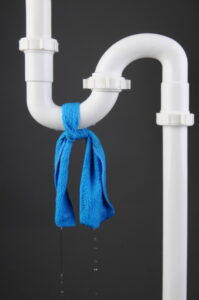
 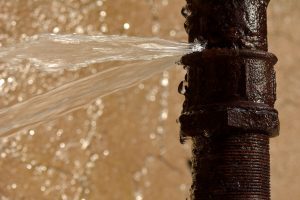 One of the most common, and equally annoying, plumbing problems a homeowner can face is that of a leak. While some plumbing problems make themselves pretty well known right away—a lack of hot water from your water heater, a running toilet—leaks can be subtle and can even be hidden in pipes behind walls and beneath the floor.
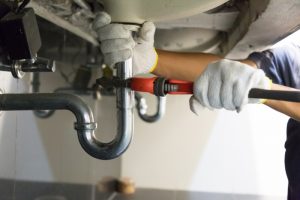 Let’s get straight to it–no, knocking pipes don’t automatically spell trouble. But they certainly can lead to problems if you just ignore them. And knocking pipes are easy to ignore at first. Sure, it’s a little alarming the first time you hear it, but it’s not that loud, and it’s easy to get used to.
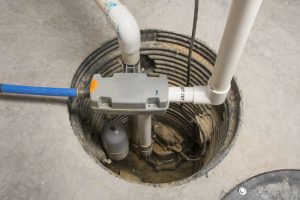 How often do you think about your sump pump? If your answer is “rarely,” you might be doing a disservice to yourself and your home. Households in this area are susceptible to flooding—there’s no denying that. But the good news is that it can be prevented, with a professionally installed and adequately cared-for sump pump.