 One of the most common, and equally annoying, plumbing problems a homeowner can face is that of a leak. While some plumbing problems make themselves pretty well known right away—a lack of hot water from your water heater, a running toilet—leaks can be subtle and can even be hidden in pipes behind walls and beneath the floor.
Unfortunately, this means you may not actually know you have a leak until it’s done considerable damage, and/or when you see a huge wet spot forming on the wall or ceiling or even puddles in the yard or bathroom. While you do need a professional to pinpoint the exact location of a leak and repair it, there are fortunately signs you can watch out for that signal you may in fact have a leak. Read on to learn more about them and rely on Reliance and contact us when you need a Glenview, IL plumber!
 They’re bad news—that’s what!
 The tough thing about hidden leaks is, well, they’re hidden! This means they can do a lot of damage, since it may be days or even weeks until you realize the problem is even occurring. The pipes tucked away in the various areas of your home, like the basement, inside a cabinet under the sink, or behind walls, tend to hide their problems well.
 Storage tank water heaters are large, always noticeable, and can even be a little noisy. In other words, it’s pretty hard to not pay some attention to a conventional water heater, if that’s what you have in your home. You likely know that it needs occasional maintenance from a professional
 There is no plumbing system anywhere that is 100% flawless. At some point or another, you’ll need a clog cleared out or a pinhole leak repaired. You may even need a sewer line cleared out of tree roots or a leaky faucet replaced. There is one plumbing problem in particular though that is especially insidious, and that’s a slab leak.
 Do you know how to watch for the biggest signs that you have a plumbing problem on your hands? Some signs are obvious of course—like water gushing from a burst pipe across your kitchen floor, a toilet that won’t flush, or a clogged up kitchen drain that a plunger has no hope of relieving.
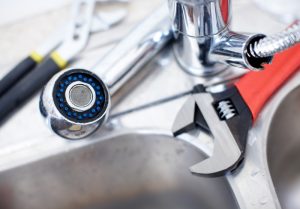 If we called your residential plumbing system complex, what do you think we’d call your commercial plumbing system? Especially if you run a kitchen? There are a number of components that must run efficiently, but also effectively, safely, and cleanly.
 “Wait, you want me to do what?”
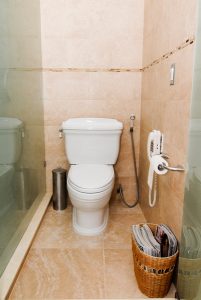 Are low flow plumbing fixtures really all they’re cracked up to be? In a word, yes.