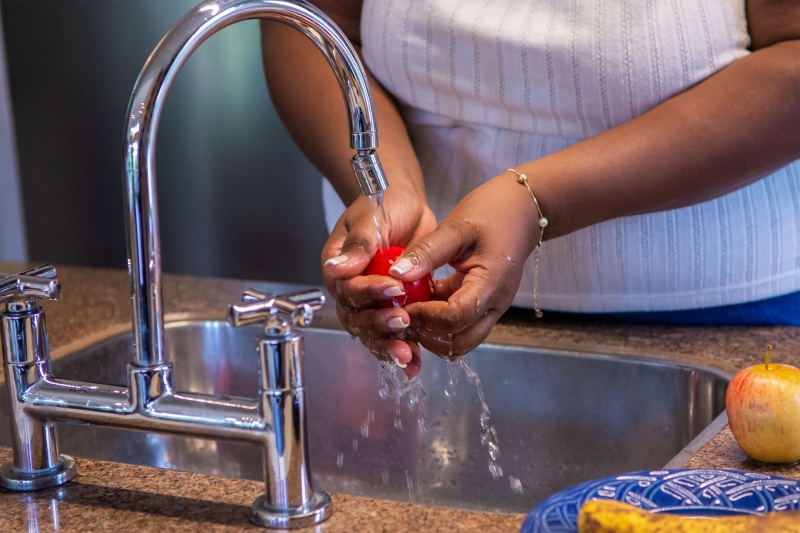
The kitchen sink does more work than any other sink in your house, since it takes care of food preparation as well as food disposal. Many different materials can go down a sink drain, and the faucet for it is far more powerful with more water flow capacity than any bathroom sink. Taking good care of it is important to avoid the need for plumbing repair.
We’re local experts when it comes to sink plumbing in Evanston, IL, and we’d like to share our best tips for maintaining your kitchen sink so it works best for you for many years. When you do run into troubles, we’re always here to help, and we offer 24/7 service.


 October marks the start of the “Big Three Holiday” months: three months in a row with significant holidays that combine food and feasting and merriment. It’s a terrific time of the year, although people do get exhausted from all of it.
 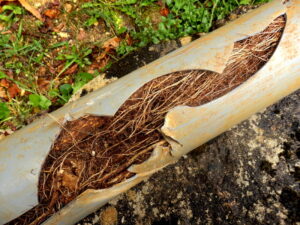 Last week we looked at some of the reasons other than clogs that you’ll
 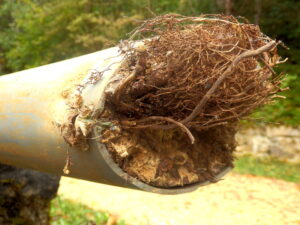 One of the key services we offer our clients is professional
  We often talk about the problem of hidden leaks in residential plumbing. It’s easy for these leaks to go unnoticed for weeks or months while they raise water bills and inflict damage on building materials. But today we’re going to look at when a hidden leak becomes an obvious leak. Unfortunately, it’s an obvious leak that people often still overlook or delay at getting fixed. We’re looking at
  Let’s say you’re sleeping, or at least relaxing comfortably, in your home, and all of the sudden you’re aware of a perhaps soft but persistent knocking coming from your walls…
 Whoever said that being “popular” was a good thing had it all wrong. Just like you don’t want those popular mean girls in your home, you also don’t want popular leaks in your plumbing system.