We’ve written posts before about the best ways to unclog drains. This is one of the most common types of plumbing problems that affect homes, and people want quick solutions.
But there’s an even better way to handle clogged drains in a home, and that’s to prevent them from starting in the first place! Prevention is the best tool of all when it comes to your plumbing.
There is no way that you can prevent all clogged drains. Some debris will manage to slip down the drains, and sometimes large objects may accidentally fall down into drain pipes (or intentionally, as is often the case with young children wondering what they can flush down a toilet). But, if you follow our tips below, you can significantly reduce the chance you’ll have to deal with an annoying clogged drain in Des Plaines, IL in the future.

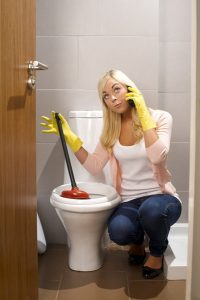 Toilets are functional items, and the most attention people pay to them is to ensure they are clean. Homeowners rarely think about having to replace a toilet, because it’s easy to consider these large porcelain appliances secured to the bathroom floor as invincible. Except for a situation with catastrophic damage, why would a toilet need a replacement?
 October marks the start of the “Big Three Holiday” months: three months in a row with significant holidays that combine food and feasting and merriment. It’s a terrific time of the year, although people do get exhausted from all of it.
 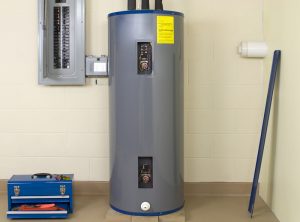 It would be wonderful if water heaters lasted forever. “The last water heater you’ll ever need to buy!” But such water heaters don’t exist, nor will they.
  Few appliances in a home use up as much power as the water heater. Heating and air conditioning systems account for significant power consumption, but these are seasonal appliances. A water heater will run almost every day, and whether it’s an electric or gas-powered unit, it’s probably the biggest source of energy consumption in your house.
 Last week we looked at some of the reasons other than clogs that you’ll