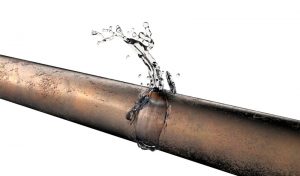
 If you’ve been a homeowner for even just a short time, chances are you’ve had to deal with at the very least, a minor plumbing issue. And one of the most common of plumbing issues? Leaks!
What makes plumbing leaks so formidable? Well, there are a few things. First off, even if leaks seem “minor,” such as a dripping faucet, those leaks can waste gallons of water over the course of a shorter time than you may believe. Because they’re minor though, they trick you into thinking they’re not that big of a deal—until you notice the cost of water starting to add up.
 In our last blog post, we explored some of the ways in which you can
  Drain clogs are an unfortunate part of life, particularly when they occur in one of the most used spaces in your home—the bathroom. Taking care of backed-up drains tends to be one of the most basic jobs of a professional
  We may be known for our snowy winters, but there’s another winter threat that Winnetka homeowners face that’s not thought about enough—and that’s how much rain we get during this time of the year. The last thing you want to deal with is a flooded basement or any other type of water related emergency, so what can you do to avoid it?
  Temperatures are mild for the time being, but soon enough, they’ll drop to unbearably cold levels. As such, you’ve probably already start preparing by winterizing your air conditioner and getting maintenance done for your heating system, right? But what about your plumbing system? As fall progresses and we inch closer toward winter, the time to prep your plumbing is now.
 The plumbing system of your home is massive, and the smallest of problems can easily go undetected for months or longer. Something like a pinhole leak or the use of corrosive chemicals may seem really minor now, but give it time to build up and eventually you’ll have a plumbing emergency on your hands. Unfortunately, not many homeowners know how to properly take care of their plumbing pipes—in particular their drains.
 For any homeowner who’s already had to deal with one, the term “slab leak” can strike fear in their heart—and for good reason. But, what is it that makes a slab leak so formidable when it comes to plumbing problems? Isn’t a leak a leak? Well, there are factors that set slab leaks apart, which we’ll be exploring in today’s post.
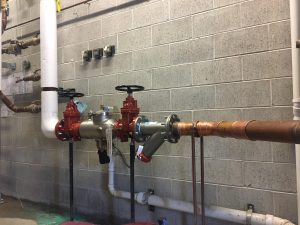 First, let’s start with what backflow is. Whether we’re talking about a residential building or a business, backflow is the undesirable reversal of flow in a potable water distribution through a cross-connection. Essentially, an outgoing faucet like a sprinkler head or drinking fountain can suck water back up and into the public potable water supply. It’s easy to understand how this can be a problem, as it can be very unhygienic and can make people ill.
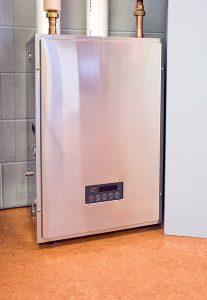 The traditional water heater—the storage tank model—is pretty big, usually very noticeable, and often a bit noisy. As such, many homeowners realize a system such as this needs occasional maintenance, and are likely to schedule that service on a regular basis.