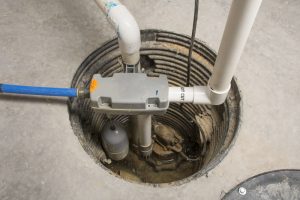
 If you live in one of our service areas, the answer is most likely going to be a “yes,” but please allow us to elaborate!
Essentially, if you’ve ever had standing water in your home’s basement or crawlspace, you need a sump pump. Considering how much rain and snow melt we get every year, this is a very real threat in the Evanston and greater Chicagoland area. Expertly installed sump pumps, however, are created to keep your home free of this standing water and flooding in order to protect your entire home from side effects such as mold and mildew growth, and rot that can develop from both.
When you’re ready to have on put into your basement, simply call the professional and trusted Evanston, IL plumbers on our team. In the meantime, read on to learn more about these convenient and necessary devices.
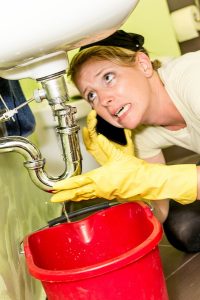 Having a plumbing emergency is never a welcomed occurrence. But having an emergency plumber’s number handy will give you a great peace of mind! Knowing you can reach out to a trusted, licensed and experiences professional when you need
  “Wait, you want me to do what?”
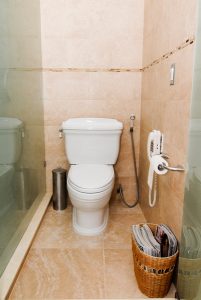 Are low flow plumbing fixtures really all they’re cracked up to be? In a word, yes.
 Okay, that might be arguable, but trust us, this is one plumbing problem you just do not want to have, especially considering how far it might have already progressed—and that’s a
  Now is the time of year when residents in our area start dreaming of spring, warmer weather, and home projects such as remodeling. If you’re considering having your kitchen remodeled, there’s no bad time to do it! In fact, we have some tips when it comes to your plumbing components within your kitchen.
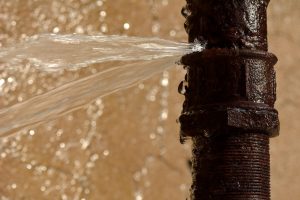 One of the best things you can do to protect your home is to have a good emergency plumber to call when you need them. This will give you the peace of mind of knowing that any time you encounter a sudden plumbing problem, you’ll have someone on hand to help you right away. After all, we don’t recommend attempting any major plumbing repairs on your own—instead trust in pros who will act fast and get the job done right.
 So you hear a strange noise coming from behind your walls—you might even think it’s coming from the front door, but you check, and it’s not—it’s a knocking sound of some kind.
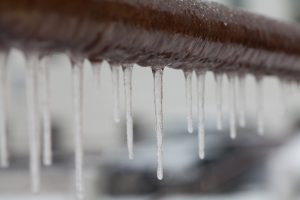 It’s rare for burst pipes to occur in the warmer time of the months. Homeowners tend to have visions of clogs and leaks backing up to a point that their pipes explode, but this is a little over the top. Burst pipes are a possibility, but not due to clogs—it’s due to the water in those pipes freezing.
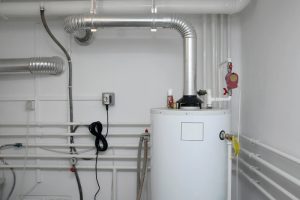 No matter the season, no matter what outdoor temperatures are, there is one home comfort system you will need year-round, on a daily basis. That is your water heater! It’s easy to take this system for granted, along with the fact that you’ll get hot water from your taps whenever you need it.