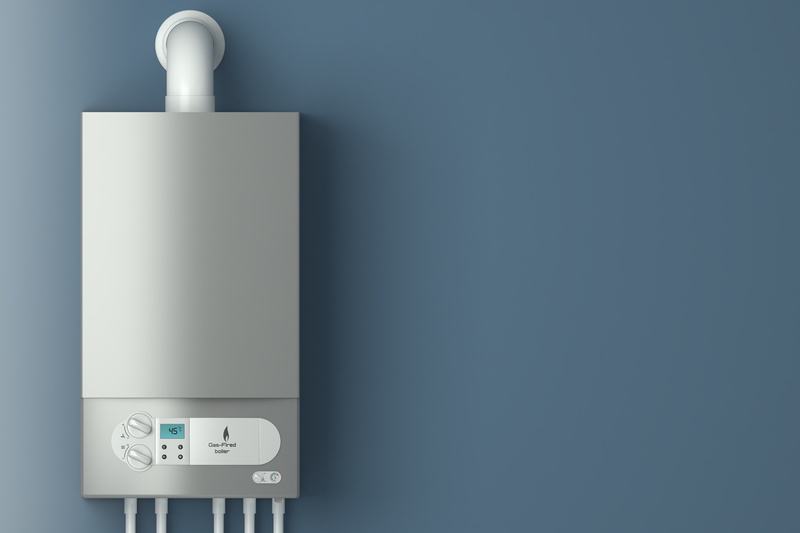
Today people often associate the word hybrid with hybrid electric cars that combine a combustion engine with electrical power. Hybrid is also a description for a type of water heater. Two types, actually, both of which offer specific benefits for homes. Not every home is suited for one of these hybrid water heaters, but we strongly recommend customers who are looking into water heaters in Winnetka, IL for a new installation consider the possibility of installing one.
Ah, but which one? Let’s look closer at the two water heaters that fall under the “hybrid” name.
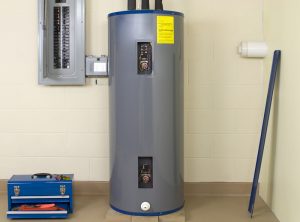 It would be wonderful if water heaters lasted forever. “The last water heater you’ll ever need to buy!” But such water heaters don’t exist, nor will they.
  Few appliances in a home use up as much power as the water heater. Heating and air conditioning systems account for significant power consumption, but these are seasonal appliances. A water heater will run almost every day, and whether it’s an electric or gas-powered unit, it’s probably the biggest source of energy consumption in your house.
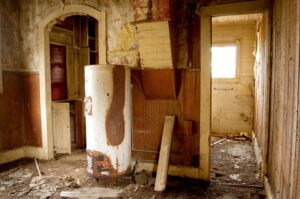 If you have a standard storage tank water heater, you probably know that rust isn’t something you want to see developing on it. Rust is the major enemy of metal that comes into contact with water, and it quickly weakens the metal until it turns useless.
 The water heater in your house can account for around 17% of the energy used in your home each year. That makes it the appliance that consumes the most power of any single indoor appliance in the household. Unlike a gas-powered furnace, you rely on your water heater almost every day, so it’s especially important to have it well taken care of. Without regular maintenance, a water heater can quickly become a huge energy drain and will wear down far faster.
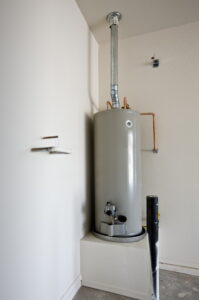 Water heaters are designed for durability, but they also do a tremendous amount of work in homes around the year. Compare the water heater in your house to the heating system you use to stay warm. You only run the heater during the cold months of the year, and it gets a long summer vacation. Your water heater, on the other hand, works almost every day. All that wear and tear takes a toll, and at some point you’ll confront a water heater that’s on the way out. At what point do you know it’s time to stop repairing your water heater and get a new one?
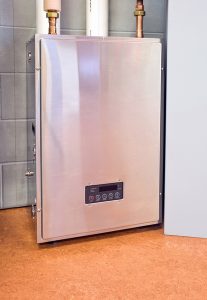 When we say “water heater,” what image springs to your mind? It’s likely a big storage tank with a number of pipes and lines sticking out of it, right?
 Storage tank water heaters are large, always noticeable, and can even be a little noisy. In other words, it’s pretty hard to not pay some attention to a conventional water heater, if that’s what you have in your home. You likely know that it needs occasional maintenance from a professional
  Your plumbing is something that’s easy to take for granted—after all most of this system is hidden from view and “out of sight, out of mind,” right? If there is any portion of your