Chances are, you (hopefully) schedule your heating and cooling system for maintenance, as you do your car and other household appliances. So why would you skip Northbrook, IL professional plumbing maintenance?
A professional plumbing maintenance appointment isn’t just a visual inspection of the system from the outside—in enables our professional plumbers to fully inspect your entire system, including fixtures, to ensure that your system is the best shape possible. But why is this so important? What exactly gets checked?
Your Bathroom Fixtures
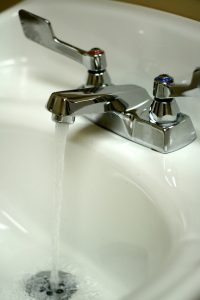
This includes your sinks, tubs, and showers—this inspection enables us to check for leaks, drainage problems, cracks, corrosion, and any mineral buildup that has accumulated.
Your Toilets
A leaky toilet can waste a surprising amount of water, but this is what happens when you have loose fittings. During your plumbing maintenance appointment, your toilets will be checked for cracks, loose fittings, and any other potential problems.
Your Water Heater
This appliance can suffer the effects of sediment build-up, scale, and functional problems. In addition to a thorough inspection, our team will flush your system as well—effectively ridding it of the sediment that can cause your water heater to overheat the water if not taken care of.
Drain and Sewer Check
Your entire plumbing system in important, but it simply cannot function without your main drain line and sewer line. Our professionals will thoroughly inspect these lines and check for good performance, signs of clogging or corrosion, tree root infiltration, and any other signs of damage.
Developing a Maintenance Schedule
Establishing a regular maintenance schedule for your sump pump is key to keeping your system running smoothly and protecting your home from water damage. Many homeowners overlook the importance of routine maintenance, but a well-maintained sump pump can mean the difference between a dry basement and costly repairs after heavy rain. Most sump pumps require maintenance checks once or twice a year—ideally before the rainy seasons hit—and most pumps only require a maintenance check once or twice a year. Proper maintenance is essential for ensuring the reliability and functionality of your sump pump system, helping to prevent unexpected failures during critical times. Regular maintenance can also help you avoid higher repair costs in the future by catching issues early.
Your maintenance checklist should include cleaning out the sump pit to remove any debris buildup that could clog the pump or cause it to malfunction. Be sure to remove debris from the pit and intake screen to prevent the pump from becoming clogged and overheating. Inspect the discharge pipe to ensure it’s clear and directing water away from your house. Test the float switch to make sure it activates the pump when the water level reaches the appropriate height. Look for signs of corrosion or rust on the pump and its components, as these can shorten the lifespan of your system. For added peace of mind, schedule a professional inspection annually to confirm your sump pump is working properly and ready to handle whatever the weather brings. This inspection should ensure motor health and proper electrical connections.
To further improve your sump pump maintenance routine, develop a logging system for tracking maintenance tasks and recording the maintenance history.
Facility Moisture Control
Controlling moisture in your basement or crawl space is essential for maintaining a healthy, safe environment and preventing water damage. Sump pumps are a reliable solution for managing excess moisture, especially in areas prone to heavy rain or flooding. By installing a sump pump in your basement or crawl space, you can effectively remove unwanted water and reduce the risk of mold, mildew, and structural damage. The sump basin plays a key role in directing water flow toward the sump pit and should be easily accessible for maintenance.
To maximize your sump pump’s effectiveness, regular maintenance is crucial. Always follow proper safety measures during installation and maintenance to prevent accidents and ensure your system functions correctly. Make sure your discharge pipe is clear and directs water at least 10–20 feet away from your house to prevent it from flowing back toward your foundation. A frozen discharge pipe can block water flow and cause the pit to overflow even if the pump is working. Consider adding a battery backup or another backup power source to keep your sump pump running during power outages, which often occur during storms. Keeping a Chicago basement dry presents unique challenges due to frequent storms and flooding, making sump pump services and maintenance especially important for Chicago basements. By staying proactive with installation, maintenance, and backup solutions, you can keep moisture under control and protect your home from flooding and water-related issues.
Introduction to Sump Pumps
A sump pump is an essential device for many Chicago homes, especially those with basements or crawl spaces that are vulnerable to flooding. There are two main types of sump pumps: submersible and pedestal. Pedestal sump pumps are designed to sit on the floor, with an intake line going into the sump pit. Installed in a specially designed sump pit, the pump activates automatically when the water level reaches a certain point, quickly removing excess water and directing it safely away from your home through a discharge pipe. For optimal performance, the sump pit should be at least 24 inches deep and 18 inches wide, providing enough space for water collection and pump operation.
When choosing a sump pump, consider the area size, typical precipitation, and facility type to determine the appropriate model. Proper install by a professional is important for correct placement, maintenance, and system functionality, and can help prevent future issues.
A properly functioning check valve on the discharge pipe is critical, as it prevents water from flowing back into the pit after the pump turns off. During periods of heavy rain or storms, your sump pump may need to work overtime, so having a backup power source is important to ensure continuous operation during power outages. Regular maintenance and inspection help keep your sump pump working properly, safeguarding your basement or crawl space from water damage and extending the life of your system. Test sump pumps quarterly by pouring a bucket of water into the pit to verify activation, and test once per year, especially before heavy storms. Pour water into the sump pit to check if the pump activates and discharges water properly. Cleaning the sump pump’s basin and inlet screen is important to prevent clogs and ensure proper operation. If you notice unusual noises or worn seals, call a professional for assistance.
A sump pump may fail due to power outages, overheating motors, or mechanical failures. If the sump pump does not turn on, check if the water level is too low to trigger operation, or if there is a blown fuse or tripped circuit breaker. If the pump starts and stops too frequently, it may be undersized for the job or the discharge pipe may be obstructed. Replace components such as switches, corroded parts, or the entire unit as needed to maintain system effectiveness and prevent damage.
Determining the Need for a Sump Pump
For many homeowners, especially those living in areas like Chicago that experience frequent heavy rain and flooding, determining whether you need a sump pump is a crucial step in protecting your basement or crawl space. If your home is older, sits in a low-lying area, or has a high water table, you’re at greater risk for water damage and flooding. Signs that you may need a sump pump include persistent moisture, water stains, or actual water pooling in your basement. Strange noises, debris buildup, or musty odors can also indicate underlying issues that a sump pump could help address.
Proper sump pump maintenance is essential to ensure your system is working properly and ready to handle excess water when needed. If you notice any signs of malfunctioning, such as the pump not activating during heavy rain or visible debris clogging the sump pit, it’s time to consider pump maintenance or even a new installation. By staying proactive and addressing potential issues early, you can prevent costly water damage and keep your home safe and dry.
Sump Pump Installation
Sump pump installation is a vital process that can make a significant difference in protecting your home from flooding and water damage. The first step is selecting the right location for your sump pit—ideally, a spot where water naturally collects in your basement or crawl space. The sump pit should be at least 24 inches deep and 18 inches wide to allow for proper water collection and pump operation. During installation, it’s important to fit the discharge pipe with a check valve to prevent water from flowing back into the pit after the pump turns off.
A professional inspection during installation ensures that your sump pump system is set up safely and efficiently, minimizing the risk of future issues. Adding a battery backup system is also highly recommended, as it keeps your sump pump running during power outages—when you need it most. Regular maintenance and routine checks after installation will help extend the lifespan of your sump pump, keeping your system reliable and ready for any storm.
Maintenance Tips
Keeping your sump pump in top condition requires a few simple but important maintenance steps. Start by regularly checking the float switch and inlet screen for any debris buildup that could interfere with the pump’s operation. Clean the sump pit and discharge line to prevent clogs and ensure water can flow freely away from your home. It’s also a good idea to test your sump pump periodically by pouring water into the pit and making sure the pump activates and discharges water properly.
Don’t forget to perform routine maintenance on your battery backup system, ensuring the battery is charged and ready to provide power during outages. Inspect the discharge pipe for any signs of clogging or blockage, and clear away any debris that could cause problems. By following these sump pump maintenance tips, you can help prevent malfunctioning, extend the lifespan of your system, and catch potential issues before they turn into costly repairs.
Battery Backup Systems
A battery backup system is an essential safeguard for any sump pump setup, especially in areas prone to power outages during storms. When the main power goes out, a reliable battery backup ensures your sump pump continues working properly, protecting your home from flooding and water damage. When choosing a battery backup, consider the size and capacity needed to match your sump pump and the typical duration of power outages in your area.
Regularly test and maintain your battery backup system to make sure it’s ready when you need it most. This includes checking the battery’s charge, cleaning any corrosion from terminals, and replacing the battery as recommended by the manufacturer. Investing in a dependable battery backup system gives you peace of mind, knowing your sump pump will keep running and your home will stay dry, even during severe weather.
Water Damage Prevention
Preventing water damage is a top concern for homeowners, and a well-maintained sump pump is one of the most effective tools for keeping your basement or crawl space dry. Routine maintenance, including regular inspections and cleaning, ensures your sump pump is always ready to handle heavy rain and rising water levels. Installing a backup power source, such as a battery backup system, adds an extra layer of protection during power outages, which are common during Chicago storms.
By staying proactive with regular maintenance and addressing potential issues early, you can avoid the costly repairs and headaches that come with flooding and water damage. In Chicago homes, where the water table is high and storms can be intense, prioritizing water damage prevention with a reliable sump pump system is essential. Protect your investment and your peace of mind by making sump pump care a regular part of your home maintenance routine.
Emergency Repair
When you’re faced with a malfunctioning sump pump or unexpected flooding, quick action is essential to minimize water damage and protect your home. Replacing faulty components or the entire sump pump as soon as issues arise is crucial to prevent further damage and maintain system effectiveness. If you notice strange noises coming from your sump pump, signs of water damage, or any other potential issues, don’t hesitate to contact a reliable professional for emergency repair services. Fast response times can make all the difference in addressing sump pump needs and preventing further complications.
To request emergency sump pump repair or installation, fill out our online form and get immediate assistance from our team. The cost of emergency sump pump repair can vary depending on the situation, including the extent of the damage and the parts that need to be replaced. Sump pump installation costs also depend on factors such as your existing setup and the type of pump being installed. In Chicago, consistent sump pump maintenance is especially important due to heavy seasonal rain and freezing winters, which can put extra strain on your system.
Choose a provider with experience in sump pump repair, installation, and maintenance, and make sure they offer 24/7 emergency services for peace of mind during storms or power outages. Keep the contact information of a trusted Chicago-area expert handy so you can address any sump pump issue quickly and efficiently. With the right support, you can ensure your sump pump system is functioning properly and your home stays protected, no matter what the weather brings.
The Benefits of Plumbing System Maintenance
So what exactly do you gain from all of this? First off, a professional plumbing maintenance appointment helps you stay on top of potential repair issues. Neglecting sump pump maintenance can lead to basement water damage costing between $20,000 and $50,000. Plus, it helps to keep your plumbing system in good working order. Lastly, maintenance can help extend the life of your plumbing since it keeps it running optimally. Regular maintenance can extend the lifespan of a sump pump, which typically lasts 7-10 years. Sump pumps should be scheduled for replacement every 7 to 10 years, even if they seem to be working well, to prevent unexpected failures. Professional sump pump services—including installation, repair, and maintenance—help ensure your system functions properly and prevent flooding and costly repairs. By relying on professional sump pump services, homeowners can avoid expensive repairs and damage caused by flooding.
For expert plumbing service, installations, or maintenance contact Reliance Plumbing Sewer & Drainage, Inc. Our knowledgeable plumbers serve the North Shore and Northwest Chicago suburbs.