Having clogged and slow drains in your home is an annoyance. Sometimes you can clear out a clogged drain with a simple plunger or drain auger. With more serious stoppages you’ll need the help of professional plumbers.
A clogged sewer line is a different matter. The sewer line transports all the wastewater from your home out to the municipal sewer system. If this underground pipe develops blockage, it will eventually cause all the drains and toilets in your home to back up and even spill sewage into your living space. Thankfully, professional plumbers like us can handle the sewer cleaning or sewer line repair in Des Plaines necessary to fix the problem.
Below we’ll look at the most common causes of sewer line blockages. This will help you know what to look for as well as some ways to prevent problems.
What Causes Sewer Line Blockages and When Is Sewer Line Cleaning Needed?
Trenchless sewer repair restores damaged sewer lines with little to no excavation. Compared to traditional digging, it can offer:
- Faster project completion
- Less property damage
- Lower restoration costs
- Minimal disruption to landscaping, driveways, and outdoor features
This makes trenchless repair a practical option for fixing sewer line problems while preserving more of the property.
Tree Root Infiltration
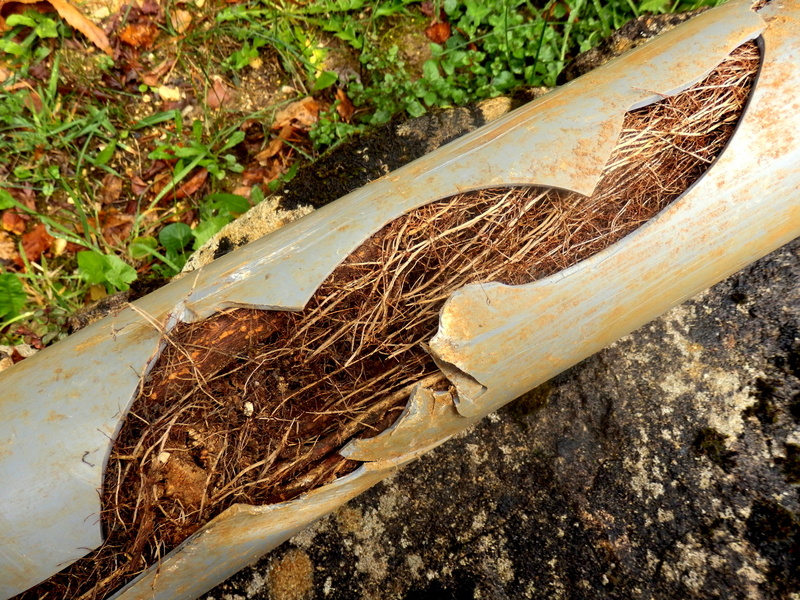
This is one of the most common and insidious of troubles for a sewer line. The roots of trees naturally move toward underground nutrients, and sewer lines are a prime target. If trees or other plants with deep-growing roots are planted too near to the sewer line, they’ll infiltrate it. This will not only block the sewer line, it can cause enough damage to crack apart the pipe. The best way to avoid this is with careful landscaping that keeps trees far enough from where the sewer line is buried.
Grease and Fat Build-Up
A surprising amount of fats, oils, and grease get washed down drains in a home, mostly in the kitchen. Fats, oils, and grease (collectively referred to as FOG) are liquid when hot, but become obstinate and waxy solids when they cool down. A layer of solidified grease and fat can build up over time in the sewer line to the point it blocks it. We recommend regular sewer cleaning to help keep this buildup away, as well as exercising caution about pouring fats, oils, and grease into your kitchen drains.
Foreign Objects
Several items that shouldn’t go down household drains can become major issues in sewer lines. Sanitary wipes are a major problem—people flush them down toilets, but even if advertised as “flushable” they will clump together down in the sewer line. Other items that can end up going down toilets and end up blocking the sewer line are hygiene products and paper towels. Please don’t put anything that is actual trash down any of your drains, and that includes putting it in the garbage disposal.
Aging Pipes
A sewer line won’t last forever. If you have an older sewer line made from cast iron or galvanized steel, it will probably start to corrode and decay after fifty years. This will lead to leaks and resistance to flow that can cause huge problems for a home. At this point, the best strategy isn’t to rely on sewer line repair but to arrange to have a complete sewer line replacement. Our team uses trenchless technology to make this job as clean and fast as possible.
Frequently Asked Questions
Question: What are the most common causes of sewer line blockages?
Answer: Sewer line blockages are often caused by tree root intrusion, grease buildup, flushed non-biodegradable items, pipe damage, and the accumulation of debris over time. These obstructions can restrict wastewater flow and lead to slow drains, unpleasant odors, and sewage backups throughout the property.
Question: Can grease and food waste clog a sewer line?
Answer: Yes, grease, fats, and oils can solidify inside pipes and gradually collect other debris. Even if they seem harmless when washed down the drain, these materials can create stubborn blockages that reduce flow and increase the risk of backups in your plumbing system.
Question: How do tree roots contribute to sewer line blockages?
Answer: Tree roots are attracted to the moisture inside sewer pipes and can enter through small cracks or weak joints. As the roots grow, they restrict wastewater flow and may cause significant pipe damage, leading to recurring clogs and the need for professional repair.
Question: What are the warning signs of a blocked sewer line?
Answer: Common signs include slow-draining sinks and tubs, recurring drain clogs, gurgling noises from plumbing fixtures, sewage odors, and wastewater backups. If multiple drains are affected at the same time, it may indicate a blockage in the main sewer line rather than an isolated drain issue.
Question: How can homeowners help prevent sewer line blockages?
Answer: Preventive measures include avoiding the disposal of grease, wipes, and other non-flushable items down drains or toilets. Regular sewer inspections, proper maintenance, and addressing minor plumbing issues early can help reduce the likelihood of major blockages and costly repairs.
For expert plumbing service, installations, or maintenance contact Reliance Plumbing Sewer & Drainage, Inc. Our knowledgeable plumbers serve the North Shore and Northwest Chicago suburbs. Rely on Reliance!