Winter in the Midwest can be unforgiving, and when temperatures plunge, plumbing problems aren’t far behind. Homeowners dealing with frozen pipes in Northbrook, IL know how quickly a cold snap can turn into an emergency. Understanding why pipes freeze and taking proactive steps can help you avoid costly damage, water loss, and the stress of unexpected repairs.
Why Pipes Freeze in Extreme Cold
Pipes freeze when the water inside them is exposed to temperatures below freezing for an extended period. As water freezes, it expands, putting intense pressure on pipe walls. This pressure is what often causes pipes to crack or burst. Even sturdy pipes are vulnerable if they’re unprotected during severe cold. The biggest risk comes during long stretches of freezing weather, especially overnight when temperatures drop even further.
Where Frozen Pipes Happen Most Often
Not all pipes are equally at risk. Pipes located along exterior walls, in unheated areas, or in spaces with poor airflow tend to freeze first. Common trouble spots include basements, crawl spaces, attics, garages, and under kitchen or bathroom sinks located on outside walls. These areas are more exposed to cold air and often lack adequate insulation.
How Insulation Helps Prevent Freezing
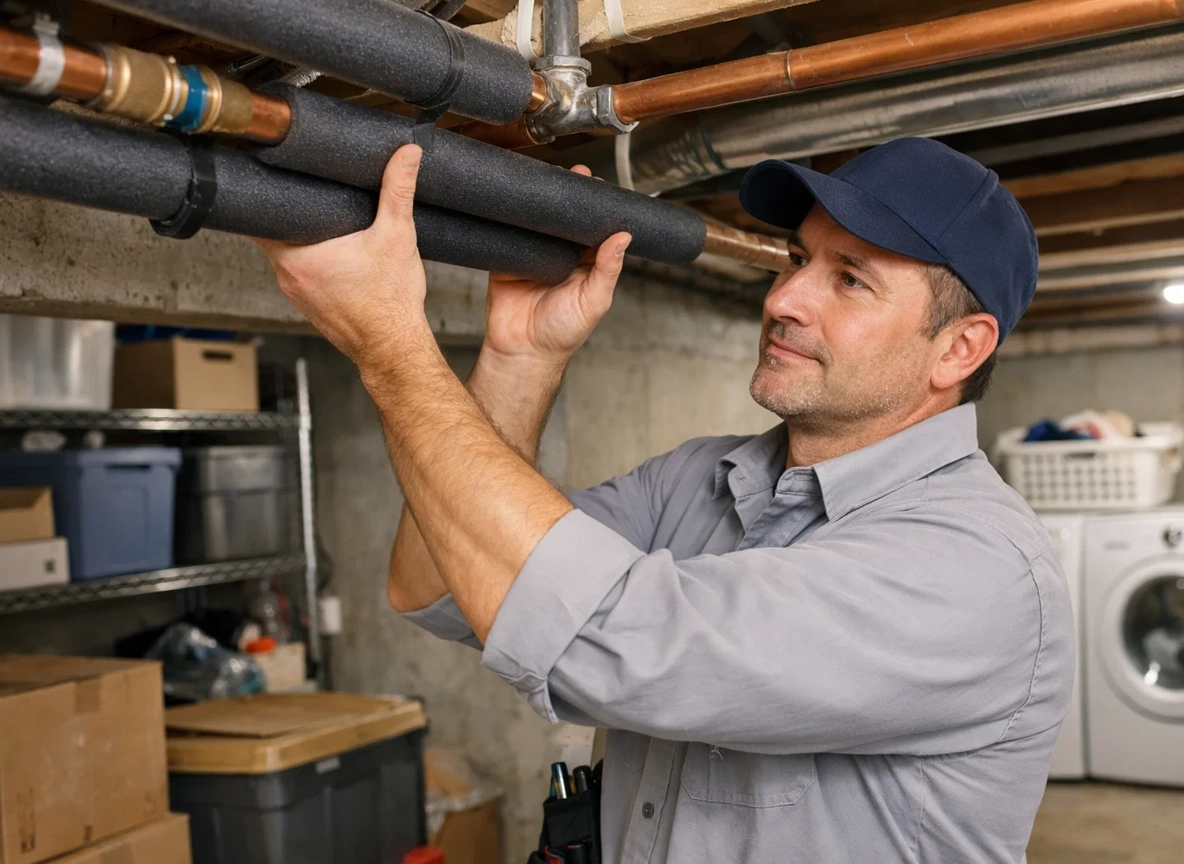
Insulation is one of the most effective ways to protect your plumbing. Pipe insulation sleeves, heat tape, and properly insulated walls slow heat loss and help keep water temperatures above freezing. Insulating crawl spaces, attics, and basements also makes a big difference. Even small improvements in insulation can significantly reduce your risk during the coldest days of winter.
Using the Cabinet Door Trick for Added Warmth
For sinks on exterior walls, opening cabinet doors can help. This simple trick allows warm air from your home to circulate around the pipes, reducing the chance of freezing. It’s especially helpful overnight or during extreme cold warnings when temperatures are expected to stay below freezing for hours at a time.
Letting Faucets Drip Safely
Allowing faucets to drip slightly during severe cold can also help prevent freezing. Moving water is less likely to freeze, and even a slow, steady drip can relieve pressure in the system if ice does begin to form. Focus on faucets connected to pipes that run along exterior walls, and be sure the drip is gentle—not a wasteful stream.
Know Where Your Shutoff Valves Are
Even with precautions, it’s important to be prepared. Knowing where your main water shutoff valve is located can save valuable time if a pipe freezes or bursts. Shutting off the water quickly can limit damage and make repairs safer and faster. Take a few minutes now to locate and test your shutoff valve so you’re not scrambling in an emergency.
What to Do If You Suspect a Frozen Pipe
The safest move is to call us right away. Our expert team has the tools and experience to handle frozen pipe situations safely and help protect your home from serious damage.
For expert help with frozen pipes in Northbrook, IL, contact Reliance Plumbing Sewer & Drainage, Inc. Our knowledgeable plumbers serve the North Shore and Northwest Chicago suburbs. Rely on Reliance!